Honor Was Not Mercy
When Honor Meant Obligation Modern audiences often conflate honor with kindness. In ancient systems, honor functioned differently. It was not an emotional…
When Honor Meant Obligation
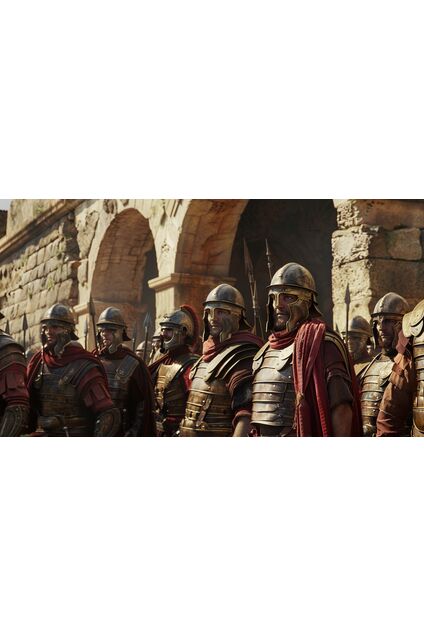
Modern audiences often conflate honor with kindness. In ancient systems, honor functioned differently. It was not an emotional impulse, nor a moral softness. It was a code—rigid, hierarchical, and often unforgiving.
The Structure Beneath the Surface
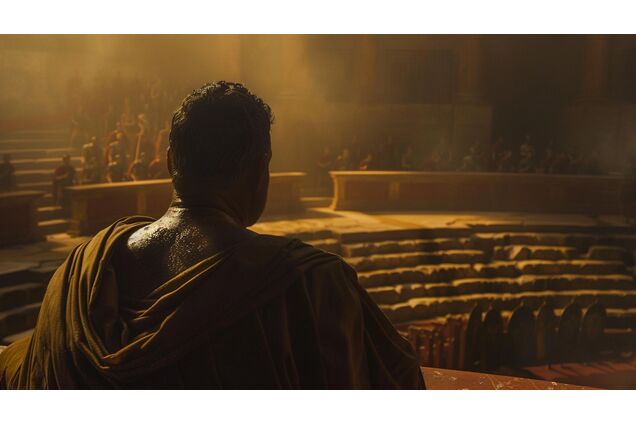
Historically, honor defined obligation. Mercy, when granted, was calculated rather than spontaneous. It preserved structure, not feelings. In Lanista, honor binds characters to consequence. The system remembers even when individuals forgive.
The Cold Clarity of the Code
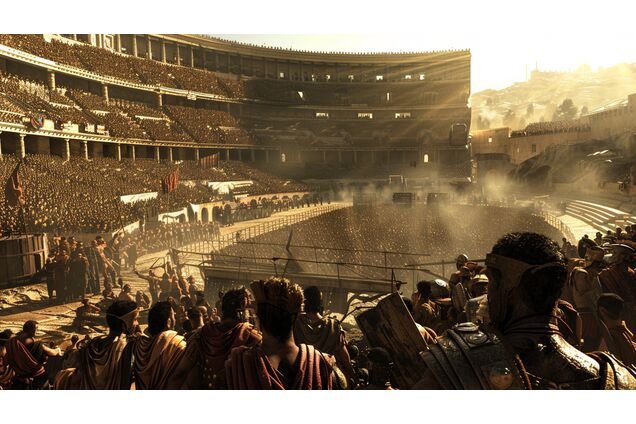
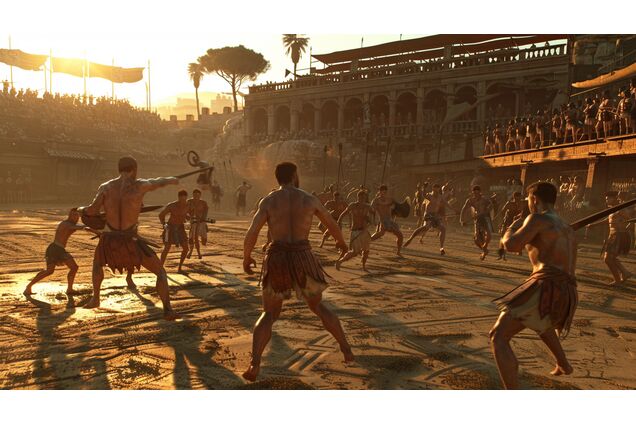
This reframing challenges modern assumptions. Honor does not soften outcomes. It clarifies them. In the ancient arena, honor dictated restraint as often as aggression. Excessive force could be as dishonorable as hesitation.
Narrative Without Redemption
In Lanista, doing what is expected may still result in loss. Honor does not rescue. It frames failure with dignity—but still demands a price.