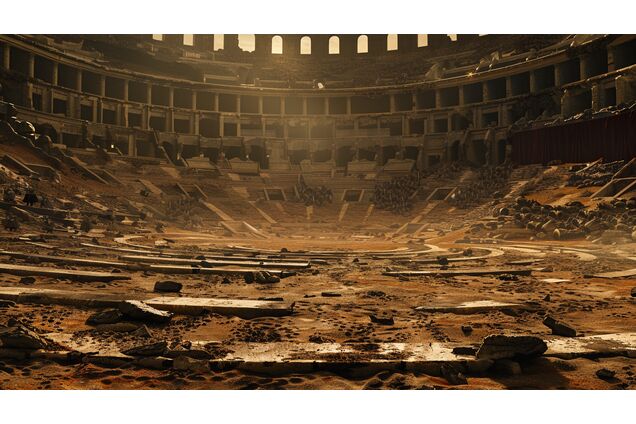
Crowds, Power, and Judgment
The Crowd as Mirror, Not Judge In Lanista, the crowd exists to observe—but never to rule. Unlike modern depictions of gladiators winning…
The Crowd as Mirror, Not Judge
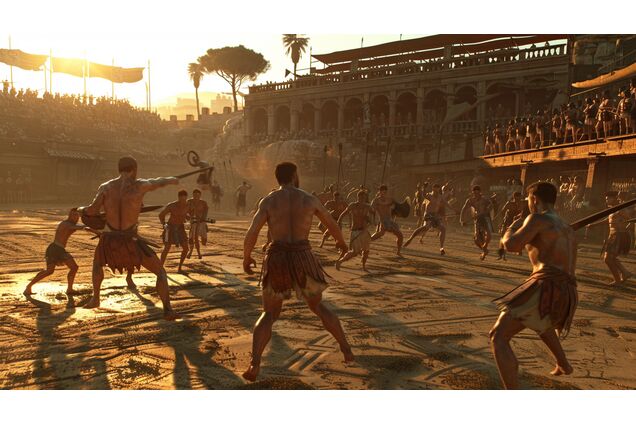
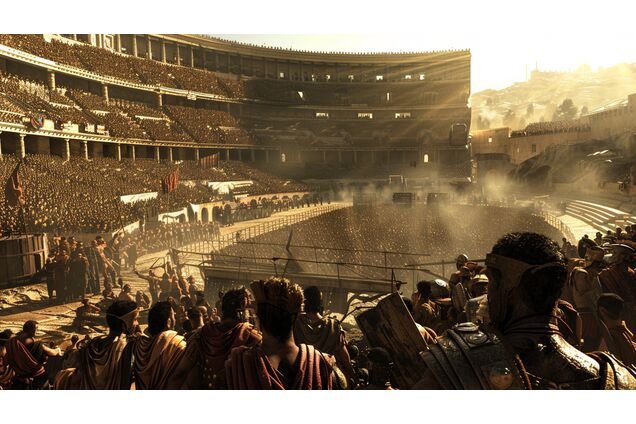
In Lanista, the crowd exists to observe—but never to rule. Unlike modern depictions of gladiators winning or losing by public cheer, the arena here reflects layered control. Applause amplifies pressure. It does not decide fate.
Historical Authority Was Never Democratic
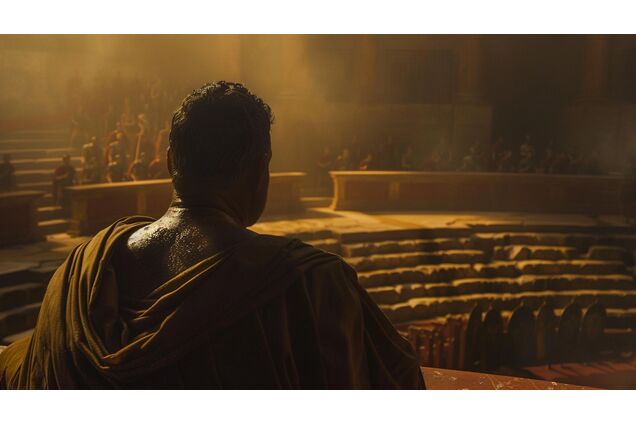
Rome’s hierarchy didn’t bow to the crowd. Approval mattered only insofar as it signaled stability. True judgment came from those who interpreted the mood, not those who created it.
Performing Without Control
Characters in Lanista cannot perform to please, nor can they safely ignore perception. Every action is filtered through unseen interpreters. The crowd’s memory is fleeting, but the system’s is not. What remains is tension without resolution—a performance under uncertain eyes.